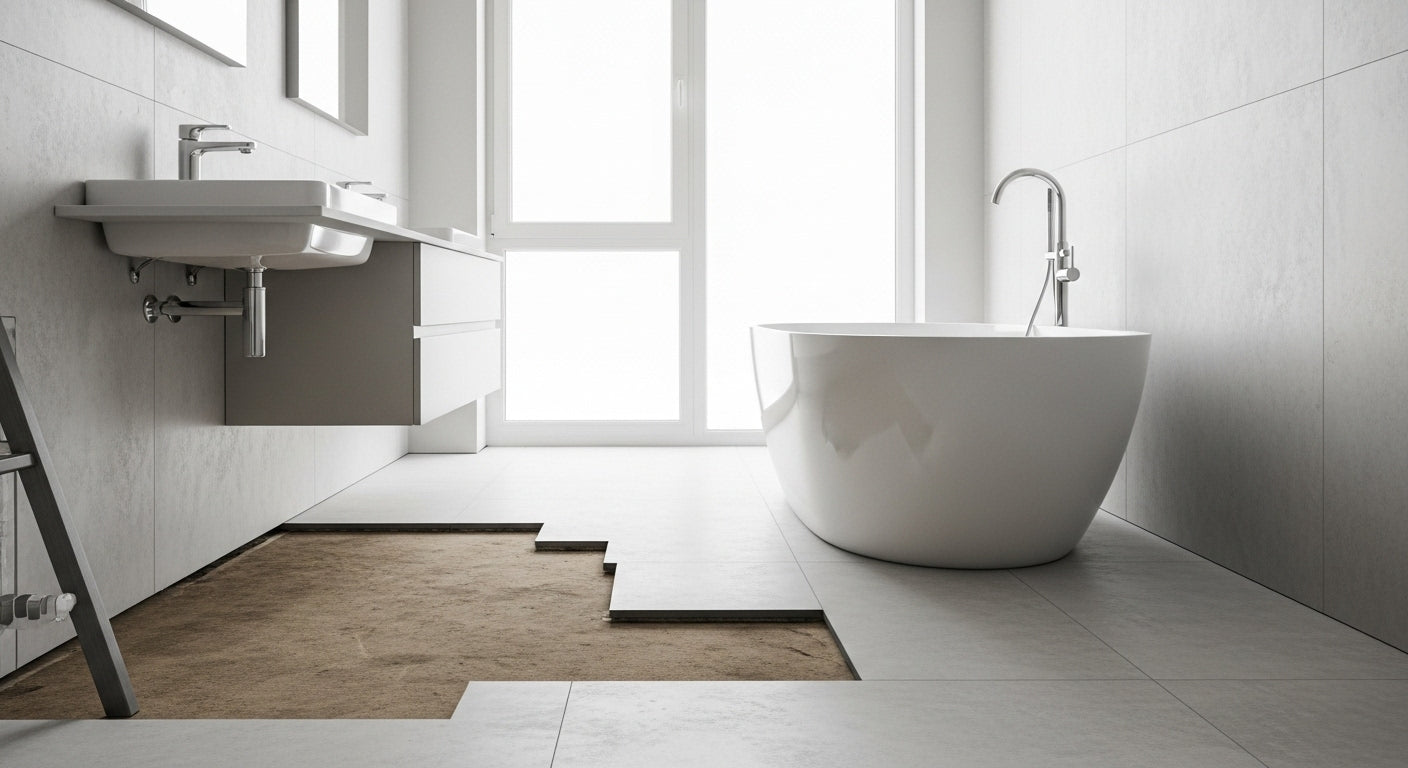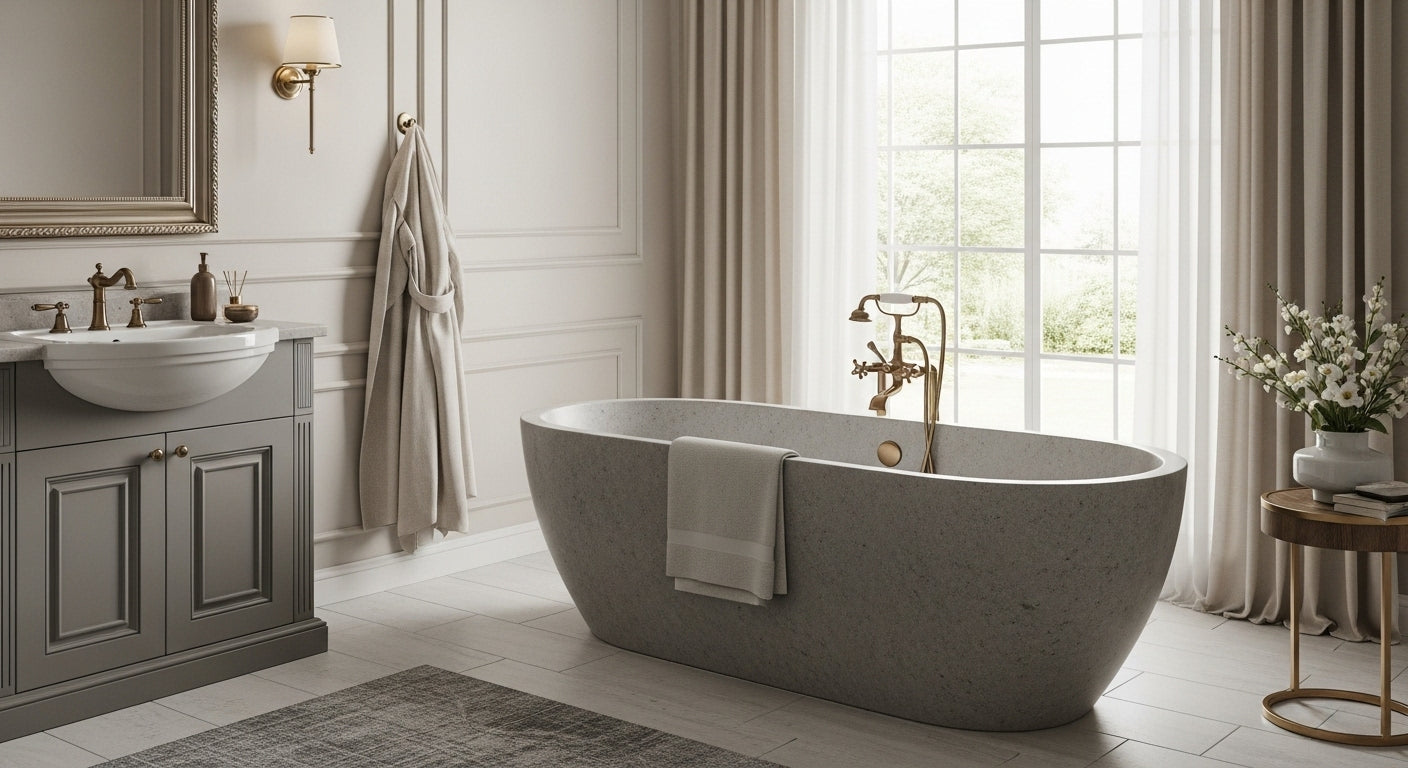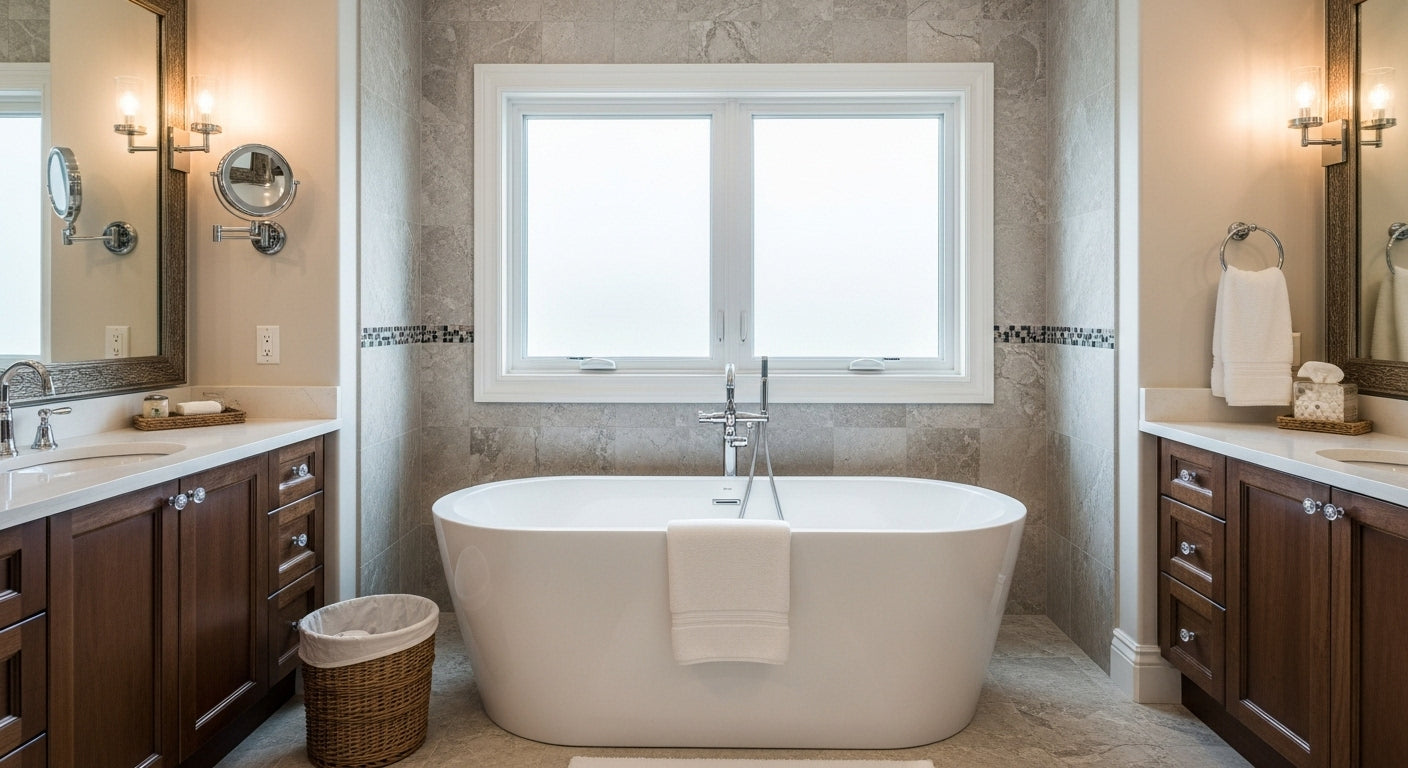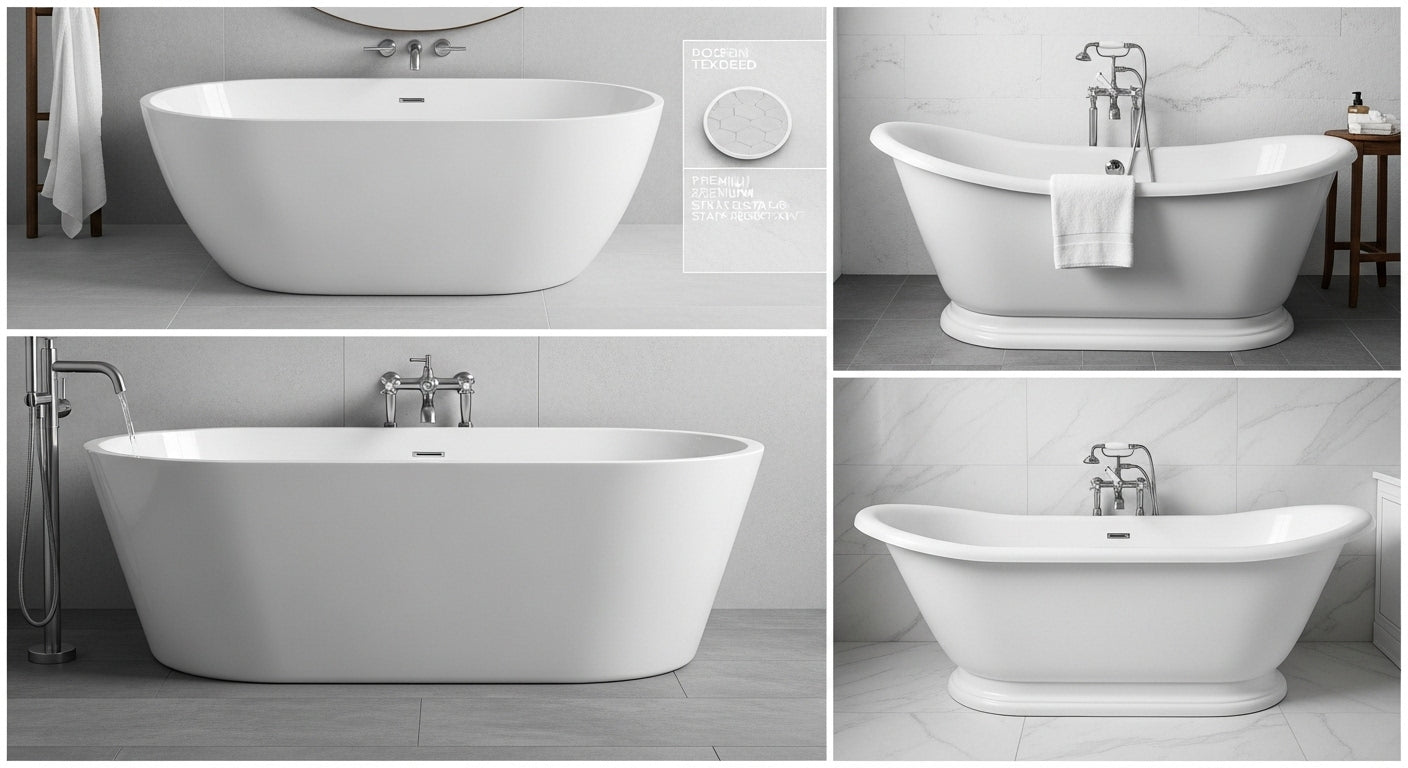
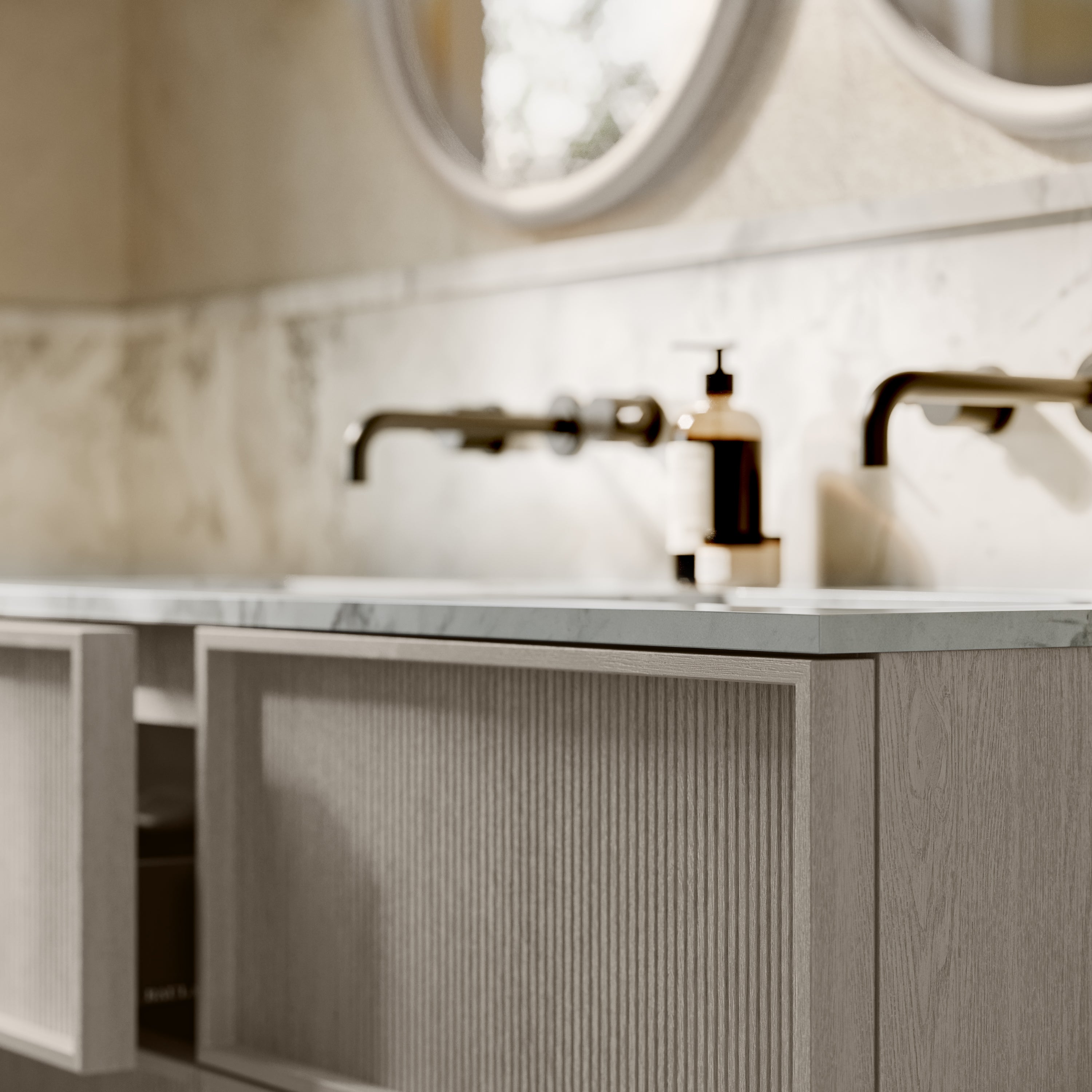




Designing a bathroom can be both fun and overwhelming. Whether you’re creating a brand new bathroom from scratch or giving your existing one a refresh, taking the time to plan properly makes all the difference. This guide will walk you through every step to help you create a bathroom that’s practical and reflects your style and lifestyle. For more ideas, see our post on the dos and don'ts of good bathroom design.

Bathroom Planning Essentials
1. Who Will Use the Bathroom?
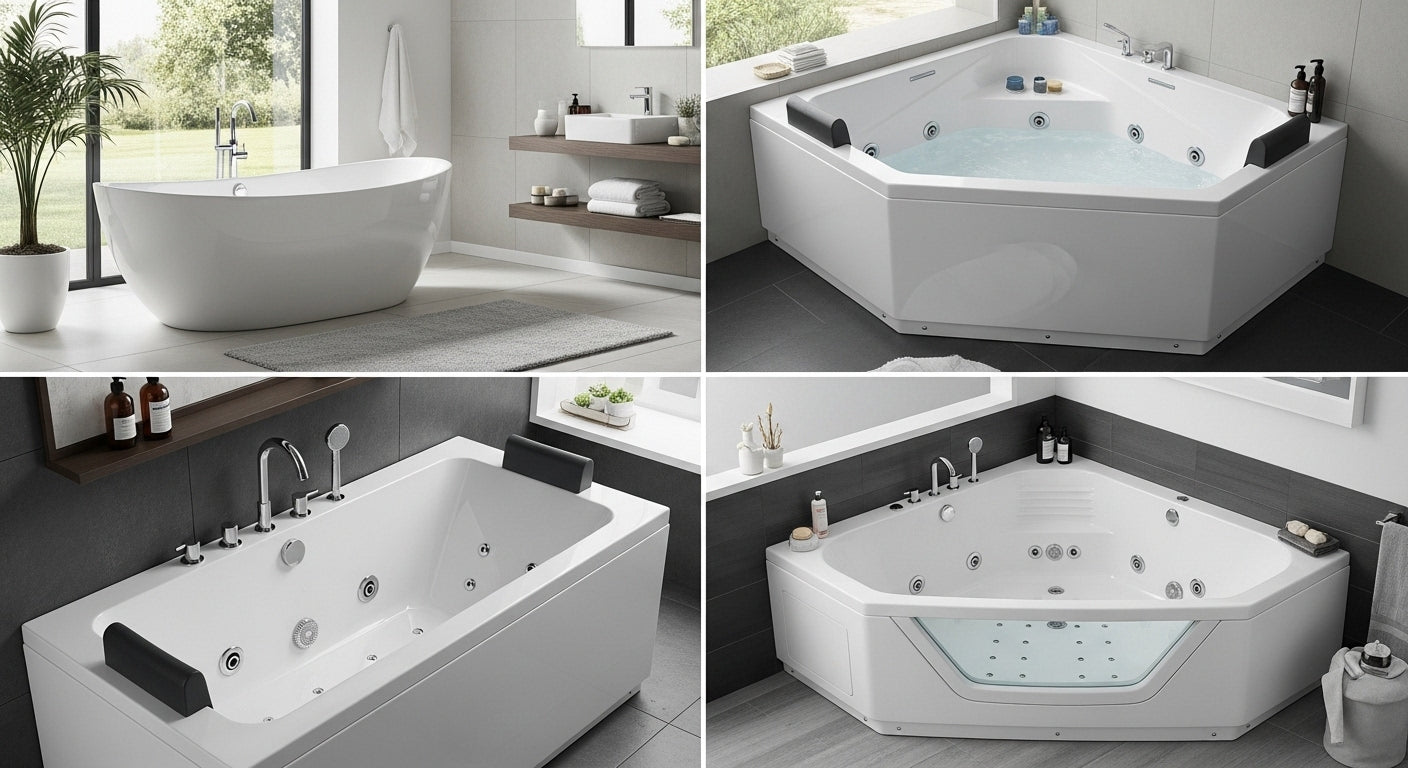
Start by considering who will use the bathroom and what their specific needs are. Is it a family bathroom that requires a separate bath and ample storage, or a compact guest bathroom? Do you want a shower enclosure, a freestanding bath or a combination of both? Factor in any special considerations, such as accessibility or additional bathrooms, for a growing family.

2. Take Accurate Measurements
Measurements are key. Draw a scale floor plan using graph paper or digital tools, marking doors, windows, waste and water pipes. This will help you visualise the space and position bathroom fixtures and fittings without overcrowding.

3. Get Professional Advice
Consult with bathroom designers, plumbers, or builders early on to save time and avoid costly mistakes. Professionals can advise on practical matters such as water pressure, ventilation, and relocating waste pipes. Visiting showrooms can also give you ideas and allow you to see bathroom suites and fittings in the flesh.

4. Plan Your Layout
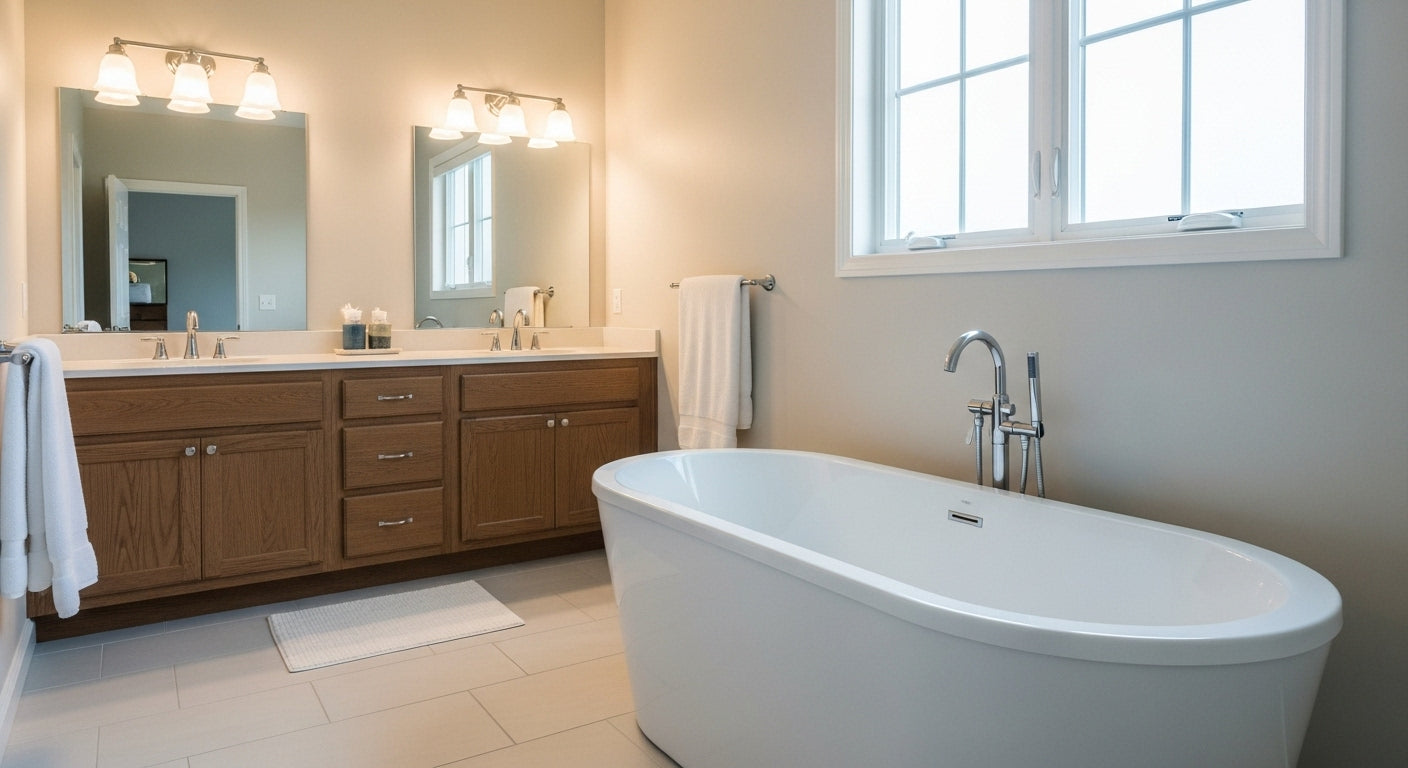
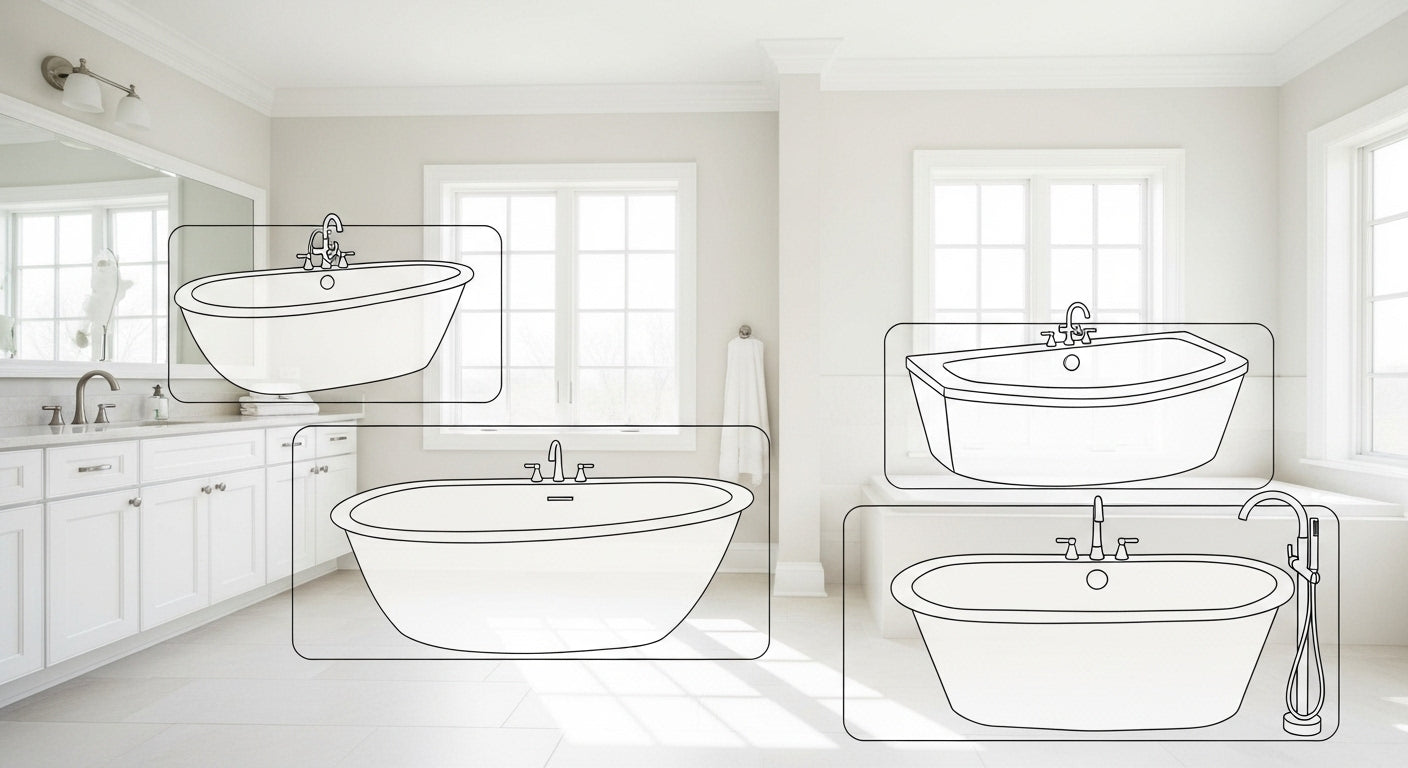
A well-thought-out layout maximises the usability of your bathroom. Arrange fixtures based on how you use the room—put the sink or vanity near the door, position the toilet discreetly and situate the bath or shower where the plumbing allows. In smaller bathrooms, wall-mounted or wall-hung fixtures can free up valuable floor space. For more on this, see our article on can you put a freestanding bath in any bathroom?

5. Gather Design Inspiration
Look at bathroom design ideas in magazines, on social media, and on interior design websites for inspiration. Create a mood board to collect your favourite colour schemes, materials and design elements. Whether you prefer a modern or classic style, having a clear vision will help you make informed decisions.

6. Be Realistic About Space
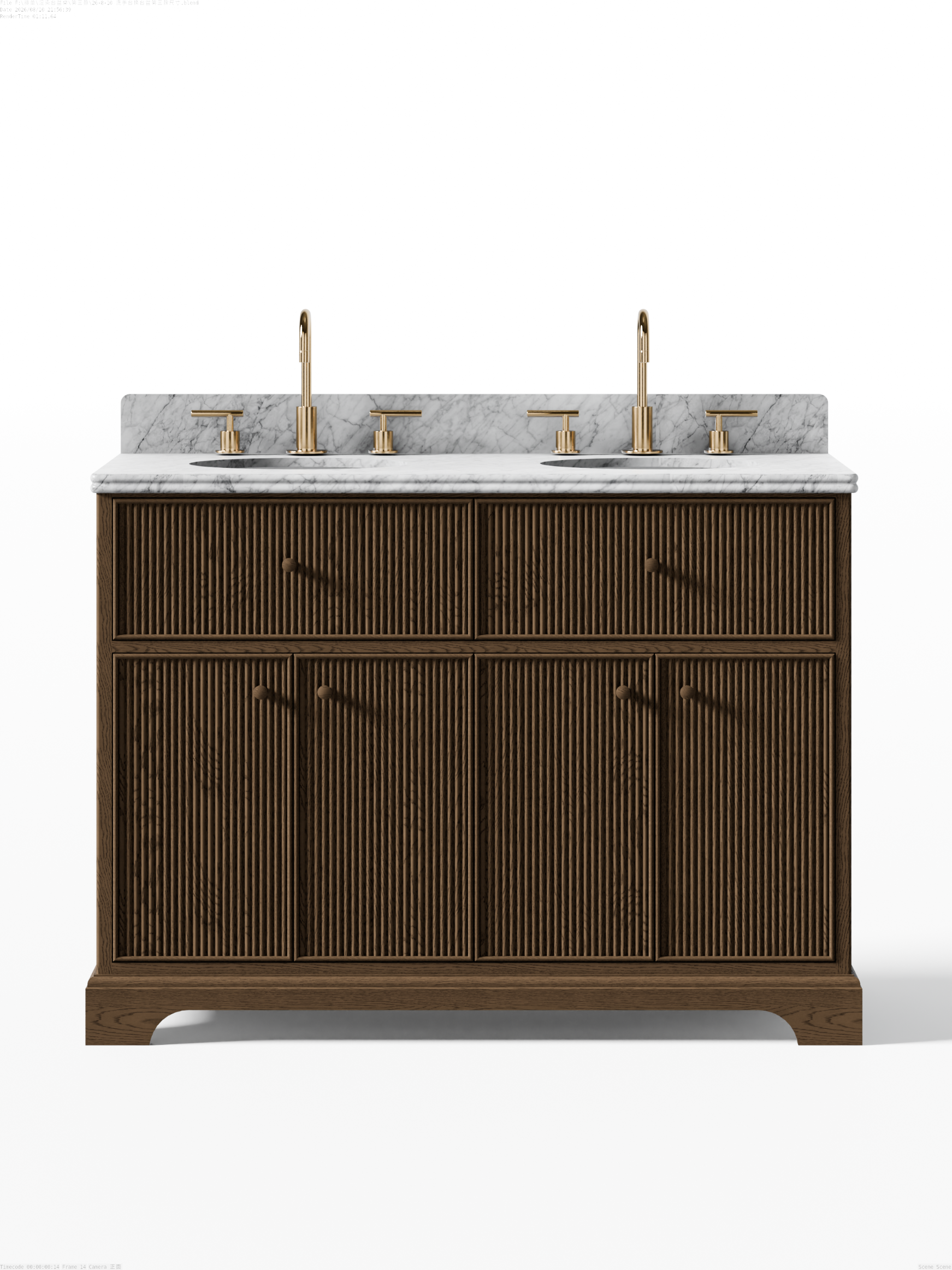
Not every bathroom can fit a large freestanding bath or double vanity. Be realistic about your room size and choose fixtures that fit your space. In small spaces, consider shower baths or wet rooms to maximise floor space. Our post on freestanding shower bath options may be helpful.
7. Prioritise Ventilation.
Ventilation is key to preventing damp and mould. If your bathroom doesn’t have a window, install a quiet yet effective extractor fan to keep the space fresh and dry.
8. Storage
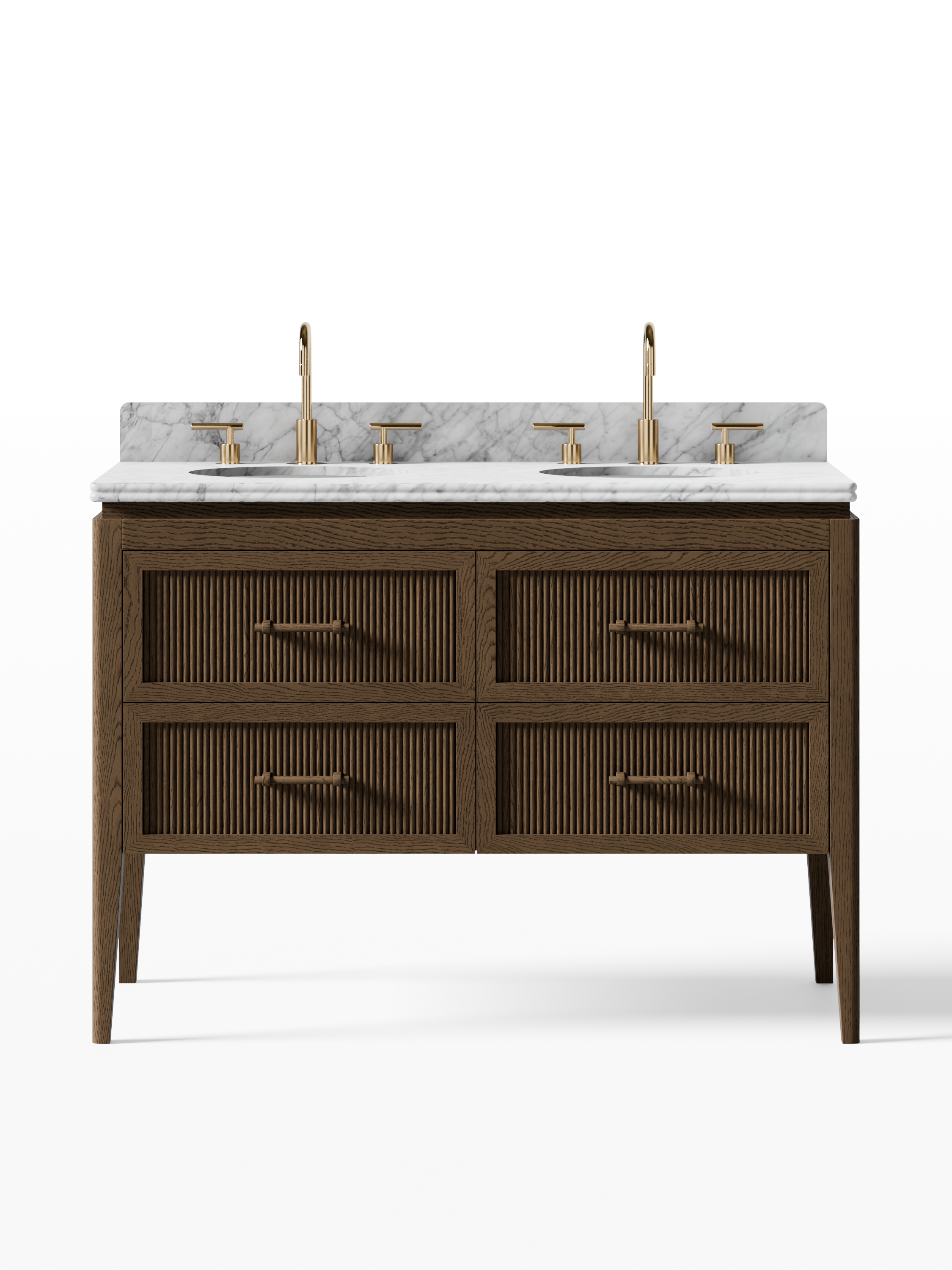
Reasonable storage solutions keep the space tidy. Include built-in storage, such as vanity units with drawers, wall-mounted cabinets, or recessed shelving, in the shower area to keep essentials organised and surfaces clear.
9. Lighting
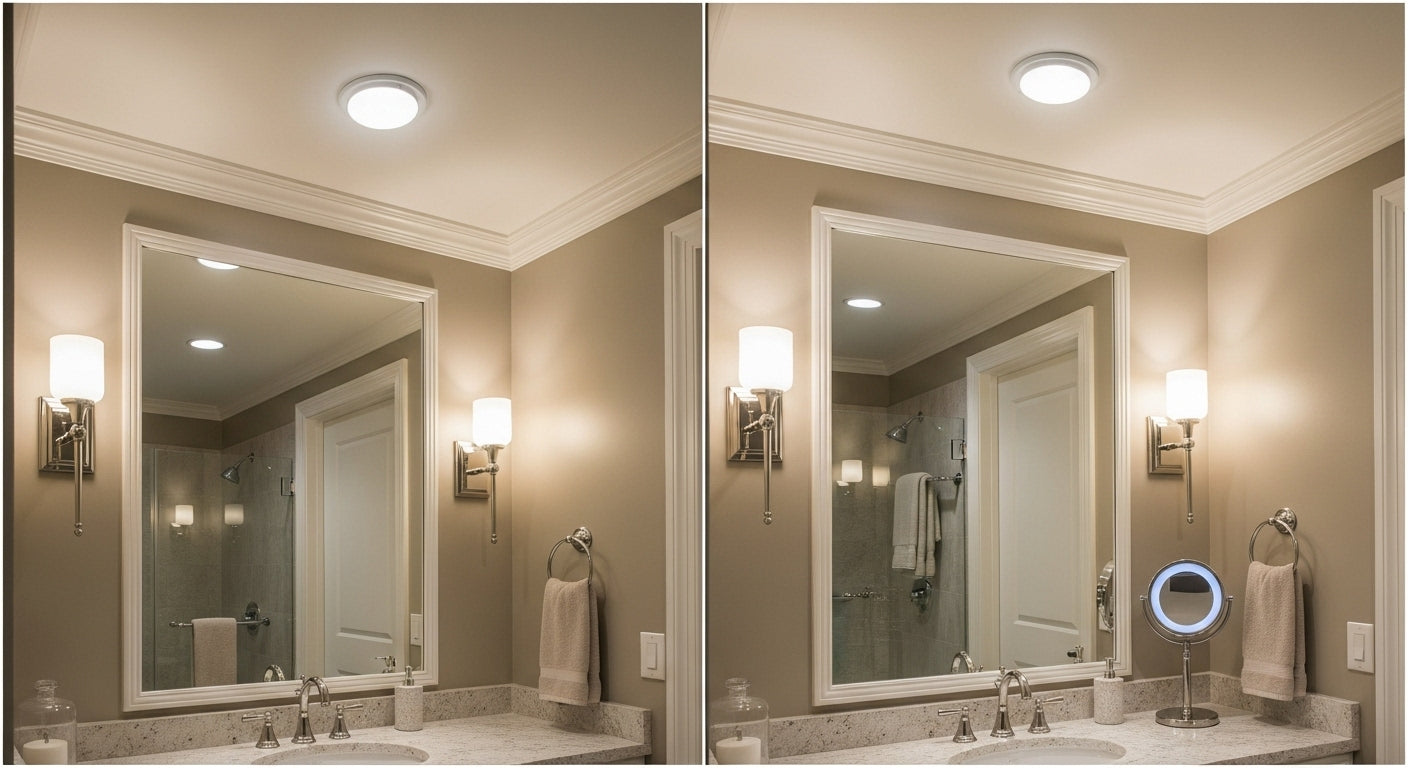
Layered lighting is both functional and atmospheric. Combine overhead ceiling lights with wall lights around mirrors for task lighting. Choose dimmable fixtures to adjust the mood and maximise natural light through well-placed windows or reflective surfaces.
10. Tiles
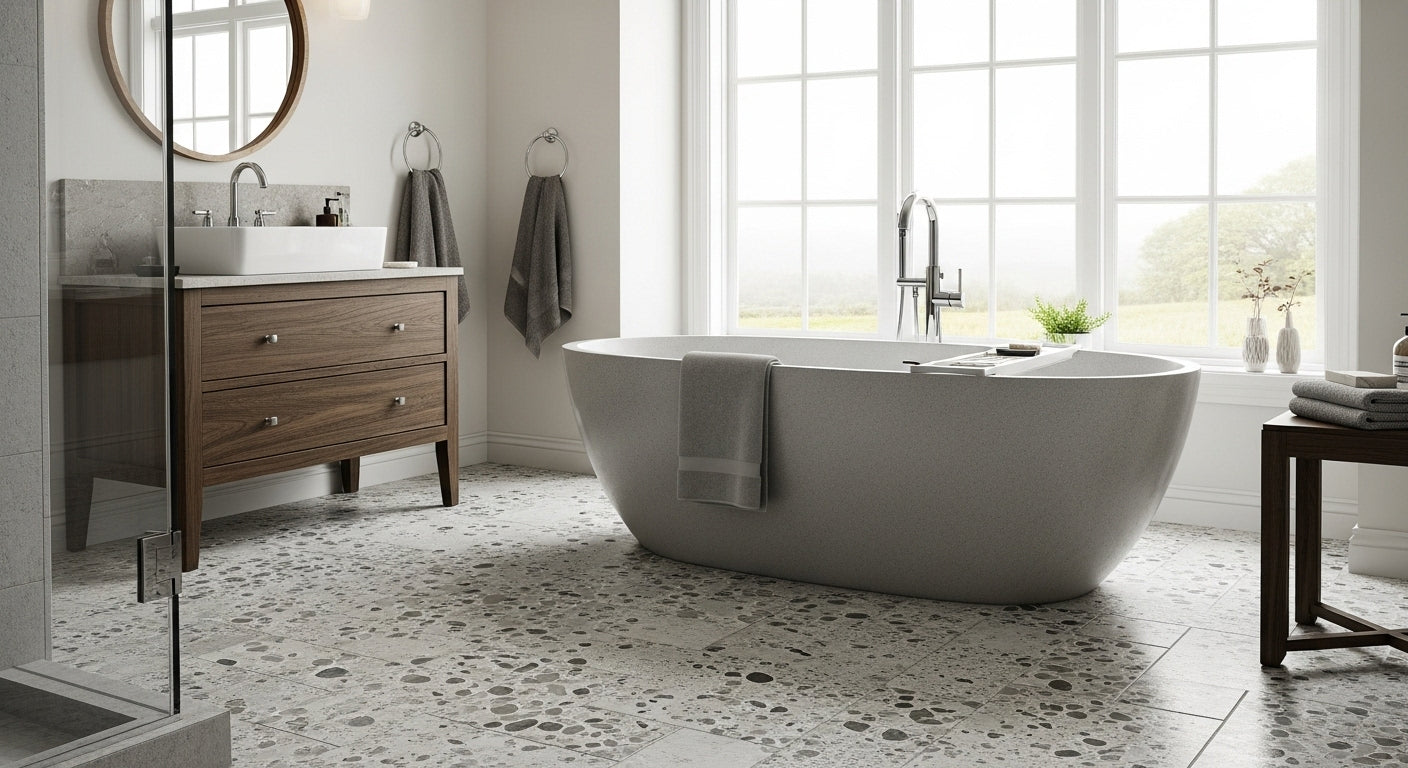
Tiles are a stylish and practical way to add texture and personality to your bathroom walls and floors. Choose slip-resistant floor tiles for safety and durable wall tiles that match your colour palette. From classic subway tiles to bold geometric patterns, tiles can transform your bathroom.
11. Colour Palette
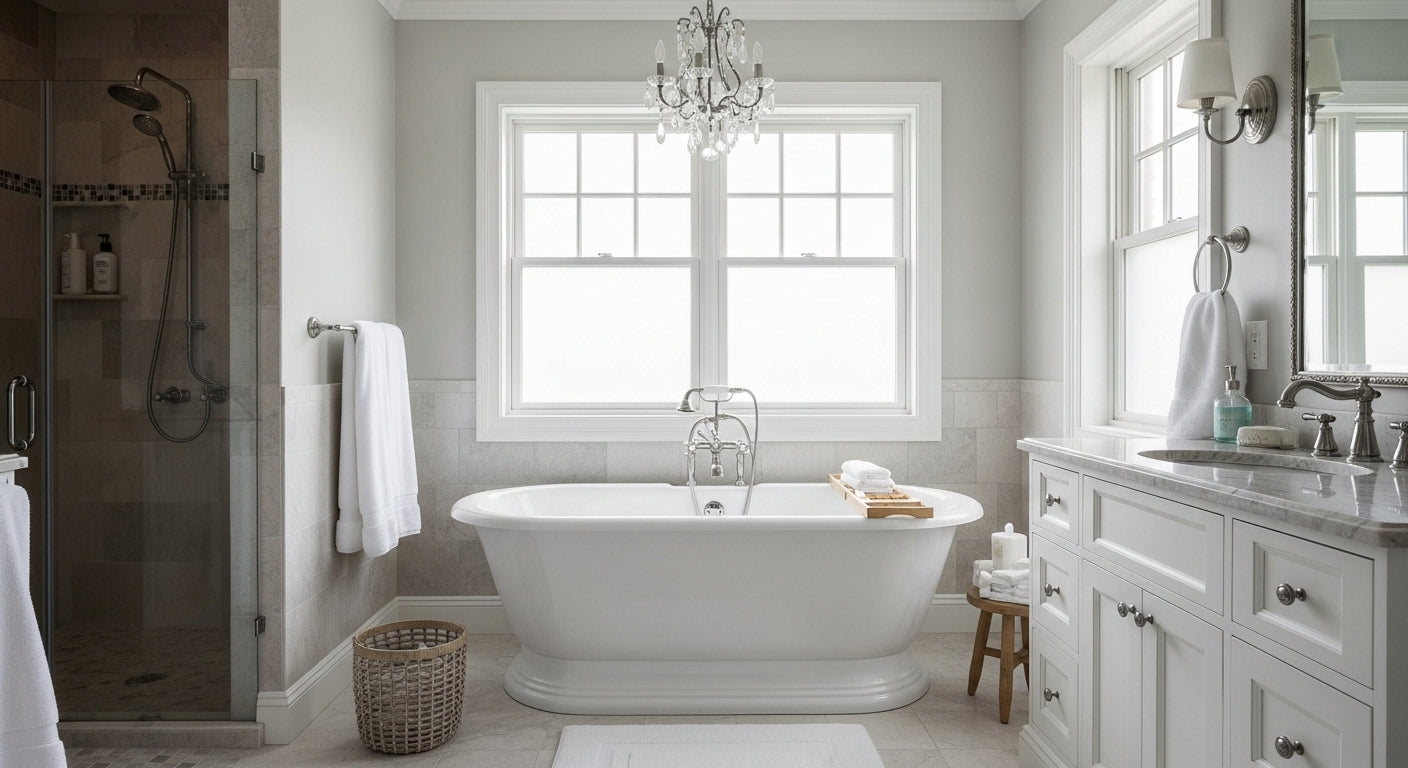
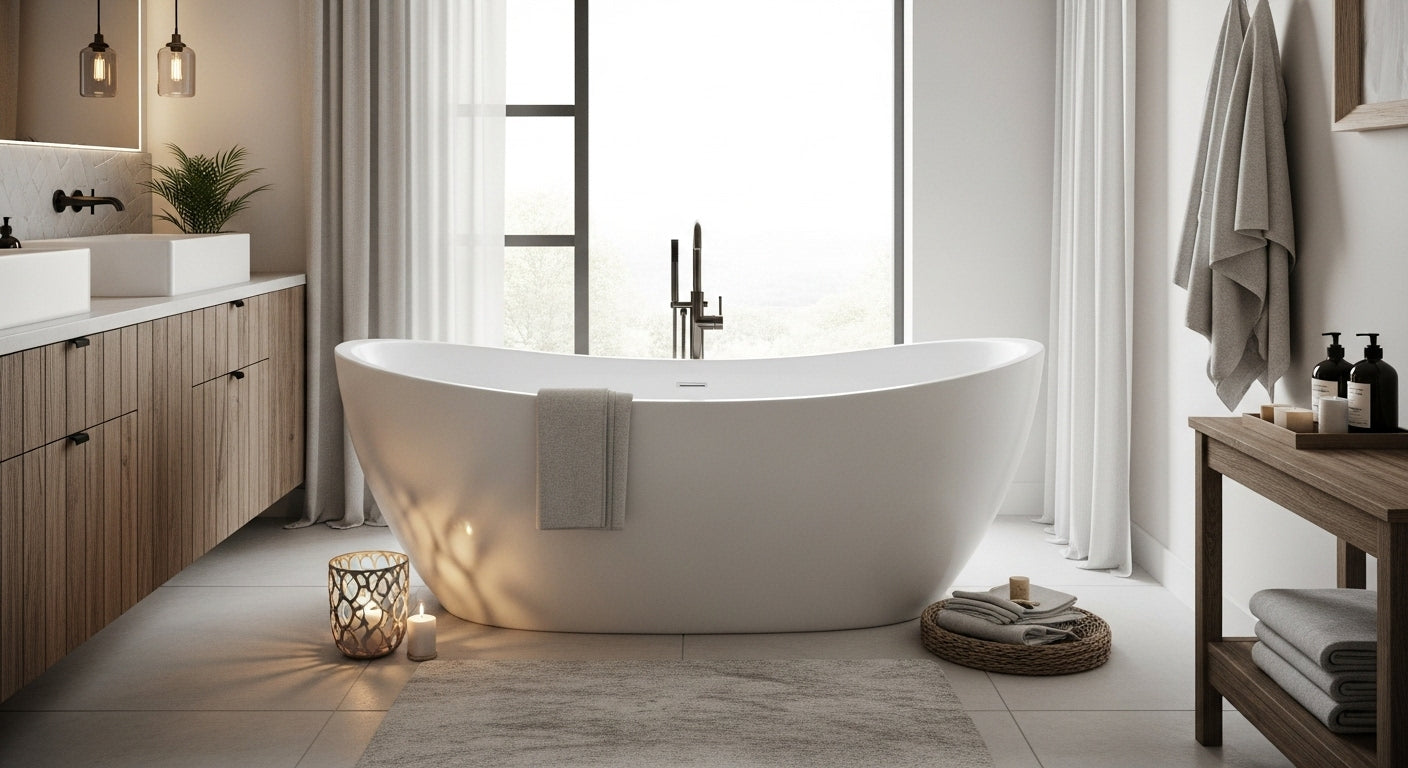
Colour sets the tone in your bathroom. Soft neutrals create a calm, clean space while vibrant colours add character. Ensure your chosen colours match your fixtures and fittings, and use accessories to introduce accent tones or warmth. Our blog on ideas for a white bathroom may give you some ideas.
12. Budget
Create a realistic budget for fixtures, fittings, labour and unexpected expenses. Focus on the essentials, such as plumbing and high-quality bathroom suites, and find cost-effective options for decorative elements. For more on this, read our post on what is the average cost of a baulane bathtub?.
13. Service Level
Decide whether to hire a full-service bathroom company to manage the whole project or source materials and tradespeople yourself. Turnkey solutions may cost more, but they can reduce stress and expedite the process.
14. Tradespeople
Choose reliable tradespeople with good references. Organise schedules to keep the project on track and avoid delays. For structural changes, ensure you comply with building regulations and get necessary approvals.
15. Renovation Process
Bathroom renovations can disrupt your daily routine. Prepare for temporary inconveniences, especially if you have only one bathroom. Protect other areas from dust and debris, and maintain open communication with contractors to keep the project on track.
FAQs
What’s the Best Bathroom Layout?
The best layout depends on your space and lifestyle. Focus on functionality and flow by positioning fixtures logically and maximising floor and wall space. Don’t put the toilet directly in front of doors or windows for privacy.
How Do You Start Designing a Bathroom?
Begin by thinking about your needs and measuring your space. Research design ideas and seek professional advice to gain a deeper understanding of the practical aspects of the research. Create a mood board to narrow down your style before finalising your layout and fixtures.
What is Bathroom Design?
Bathroom design is about balance. Consider your budget, space and personal style. Choose matching materials, colours and fixtures. Plan lighting and storage to create a comfortable and functional space.
With some planning and design, your bathroom will be a beautiful retreat for years to come. For more on this, check out our post on luxury bathroom ideas.